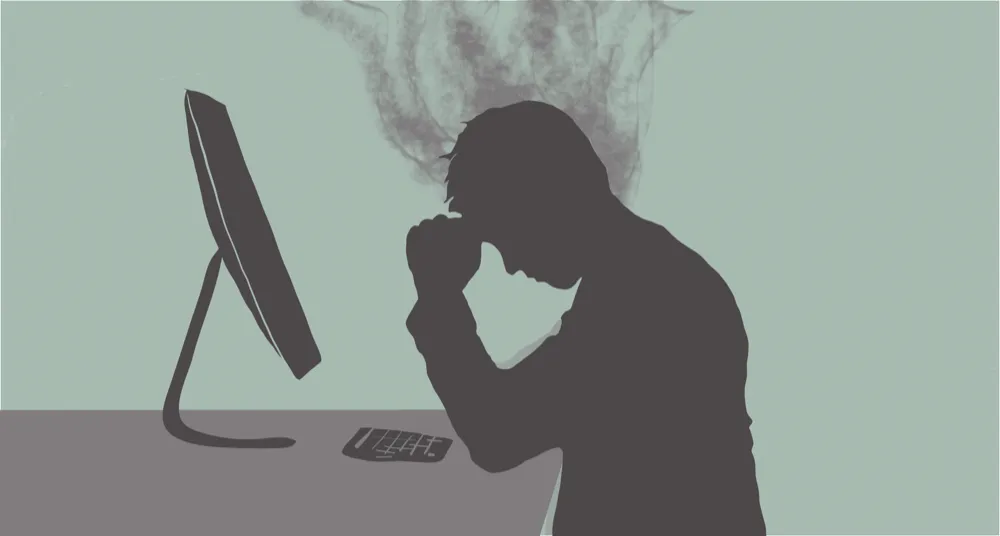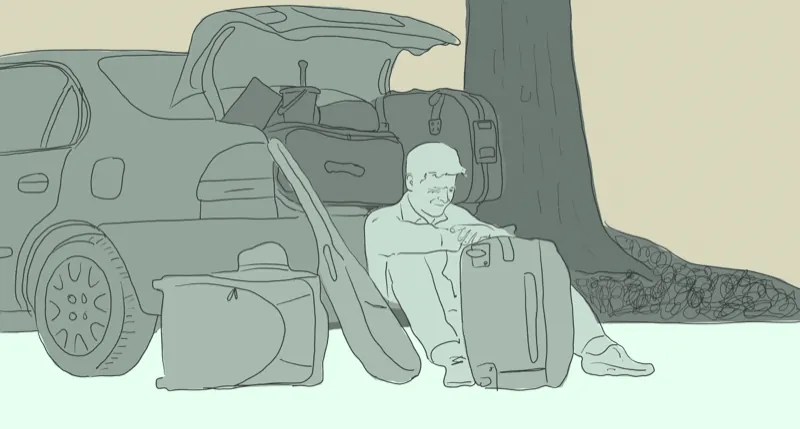
Mental health refers to a person's emotional, psychological, and social well-being, encompassing their ability to handle stress, maintain fulfilling relationships, work productively, and make sound decisions. It's a state of balance and resilience in the face of life's challenges, where individuals can experience a range of emotions and navigate them in a healthy manner. Good mental health is not merely the absence of mental disorders but rather a positive state of emotional and psychological well-being that enables individuals to lead fulfilling and meaningful lives.
The Impact of Mental Health
Why is mental health important? It's a common question, especially since physical health often takes center stage. But mental health is just as crucial for overall well-being. In 2023, a survey found that "45% of people prioritize improving their mental health over other goals like fitness and weight loss."
When a person prioritizes their mental health, it lays the foundation for a happier, more satisfying life. Here are some benefits of good mental health:
- Improved work performance: Individuals who prioritize mental health work more efficiently and enjoy their jobs more.
- Stronger relationships: Good mental health helps individuals connect with others and boosts well-being.
- Handling life challenges: Mental health hygiene helps to handle stress and difficulties positively. This can make people more resilient.
- Active community engagement: Mentally healthy individuals positively contribute to their communities.
Risk Factors for Poor Mental Health
Poor mental health can be influenced by a combination of factors. Some common risk factors include:
- Genetics and Family History: A family history of mental health disorders can increase susceptibility to similar conditions.
- Traumatic Life Events: Experiencing trauma, such as abuse, accidents, natural disasters, or the loss of a loved one.
- Chronic Illness or Disability: Dealing with a chronic medical condition can lead to increased stress.
- Stressful Life Events: Ongoing stressors like financial problems, work-related stress, or relationship difficulties.
- Substance Use: Drug or alcohol misuse can have a detrimental impact and often co-occurs with mental health disorders.
- Biological Factors: Imbalances in brain chemistry and hormones.
- Personality Factors: Traits such as perfectionism, low self-esteem, or high neuroticism.
- Social Isolation: A lack of social support and feelings of loneliness.
- Adverse Childhood Experiences: Neglect, abuse, or household dysfunction can have lasting effects.
- Economic Disadvantage: Poverty and economic instability can increase stress and limit access to care.
- Digital Technology and Social Media: Overuse can lead to isolation, cyberbullying, and feelings of inadequacy.
It's important to remember that these risk factors don't guarantee the development of a mental health disorder. Mental health is influenced by a combination of genetics, environment, and individual resilience, and seeking professional help and support can make a significant difference.
The Connection of Physical and Mental Health
Many people often wonder, "Why is mental health important?" It turns out mental and physical health are closely linked. When one suffers, the other is likely to suffer too. Good mental health doesn't just make someone feel better emotionally. When stress is managed well, the immune system functions better, making it easier to ward off diseases. A life with lower stress often translates into a longer lifespan, and positive mental health can help speed up the healing process for physical ailments.
When stress takes over one's life, the physical repercussions can be serious. For example, "chronic stress can disrupt heart function by increasing blood pressure, causing inflammation, and affecting heart rate and blood flow." Mental well-being can also impact sleep and digestion, and what one eats can significantly affect how they feel mentally. There are many ways to cope with stress that protect both body and mind.
Consequences of Neglecting Mental Health
Ignoring mental health can have serious consequences, impacting individuals and society. When mental well-being declines, physical health can suffer through weakened immunity and a higher risk of chronic diseases. Poor mental well-being can reduce focus and motivation, harming job performance and straining relationships. Mental health issues also have broader community implications, and a workforce struggling with mental health issues is less productive, which can harm the economy and increase healthcare costs.
In challenging moments, positive mental health is crucial. It empowers individuals to deal with difficulties head-on, bounce back, and grow stronger. People with positive mental health often have coping mechanisms such as problem-solving, the ability to look at an issue critically to find a practical solution, and positive thinking, which focuses on strengths and opportunities rather than dwelling on setbacks.
The Importance of Mental Health in Relationships
Friendships, family ties, and romantic relationships are often considered the cornerstone of a fulfilling life. People with good mental health are better able to understand both what they feel and why they feel it, and empathy is another hallmark of good mental health. In any relationship, communication is vital, and those with stable mental health are generally able to have more effective conversations. Being dependable and trustworthy comes naturally to those who are mentally healthy, and emotional availability strengthens relationships. Mentally healthy individuals are also more likely to engage in their communities and nurture existing relationships.
Mental Health's Influence on Productivity and Success
A crucial but often overlooked answer to success lies in mental health. People with stable mental health often have good time-management skills, stress management abilities, resilience to overcome setbacks, and emotional stability. For employers, this means having a team that's not just happier but also more efficient. Academic performance often improves when a person is mentally healthy, since a calm mind can absorb and recall information more efficiently. Recognizing signs and seeking help early frequently leads to better treatment results, an enhanced quality of life, and reduced healthcare expenses.
The Importance of Open Conversations About Mental Health
Mental health impacts many different aspects of life but is often not given the consideration it deserves. For many people, the stigma or shame associated with mental health keeps them from talking openly about their needs. Stigma is like an invisible wall that stops people from seeking help. It can make people feel ashamed or too embarrassed to ask for help, allowing symptoms to worsen over time. The stigma around mental health isn't just a personal issue; it affects our whole society. Open conversations help clear up misunderstandings, build stronger support networks, and allow others to offer help before symptoms worsen.
How to Improve Mental Wellness
While mental health is composed of many contributing factors, there are some ways to improve mental wellness at home:
- Practice Mindfulness: Engage in mindfulness meditation or deep breathing exercises to reduce stress.
- Establish a Routine: Create a daily schedule that includes regular sleep, healthy meals, and time for relaxation.
- Stay Active: Incorporate regular physical activity, whether it's yoga, home workouts, or a simple walk.
- Healthy Eating: Maintain a balanced diet rich in fruits, vegetables, lean proteins, and whole grains.
- Limit Screen Time: Reduce excessive screen time, especially before bedtime, to ensure quality sleep.
- Stay Connected: Foster social connections through calls or gatherings with friends and loved ones.
- Express Yourself: Keep a journal or engage in creative activities to express your thoughts and emotions.
- Set Boundaries: Establish clear boundaries between work and personal life to prevent burnout.
- Practice Gratitude: Reflect on things you are grateful for each day to boost your mood and perspective.
- Reach Out for Support: Professional guidance can help you establish and maintain mental wellness.
The Benefits of Professional Mental Health Help
Professional help can make a difference. The journey toward mental wellness often begins with an accurate diagnosis, where a certified professional can pinpoint the issues at hand. Seeking professional assistance offers coping skills that individuals might not discover independently, such as cognitive behavioral therapy, mindfulness, and stress management techniques. Regular sessions offer a secure environment to explore feelings, and for some individuals, medication is an essential component of treatment. Therapists also hold clients accountable for their commitments, which can serve as a strong motivator during healing. Opting for professional help often has a ripple effect, improving relationships, productivity, and overall quality of life.
How Ethos Wellness Supports Your Mental Health Journey
Why is mental health important? Because it influences every aspect of your life. At Ethos Wellness, we understand this and are committed to guiding you through life's challenges. We offer a variety of outpatient therapies that help you navigate your emotions, manage stress, and find balance.
We offer individual, group, and family therapy for people of all ages, whether in-person or via telehealth. Your journey with us involves three main phases: Restoration, where we set realistic goals; Transformation, where we help you turn difficult experiences into meaningful insights; and Integration, where we help you apply what you've learned to your daily routine. We recognize that each person's path to recovery is unique, so our treatment plans are customized to suit your individual circumstances.
You can start with adult therapy and counseling, explore care for children and adolescents, or learn how to get mental health help. Contact us today by reaching out to our care team to start your customized treatment plan. Your long-term wellness is our goal, and we're with you every step of the way.