What Is Stress?
At its core, stress is the body's natural response to perceived threats or challenges. When an individual encounters a situation they perceive as stressful, their body goes into a state of heightened alertness. Therefore, learning ways to cope with stress is important for overall health and well-being.
The state of heightened alertness involves the release of stress hormones like cortisol and adrenaline. These hormones prepare the body to react quickly in the face of danger. It's essentially the body's way of gearing up to confront or escape from the perceived threat.
What Causes Stress?
Stress can be caused by a wide range of factors, including work-related pressures, academic demands, family issues, financial concerns, and health problems. While some degree of stress is a normal part of life, chronic or excessive stress can be harmful to both physical and mental health. Long-term stress has been linked to various health problems along with certain mental health conditions like anxiety and depression.
The Impacts of Stress on Physical Health
Stress can have a profound impact on physical health. Learning how to cope with stress can help improve overall physical health and mitigate certain symptoms. Some of the potential impacts include:
- Cardiovascular Issues: Chronic stress can lead to increased heart rate and blood pressure, contributing over time to a higher risk of heart disease, hypertension, heart attacks, and strokes.
- Weakened Immune System: Prolonged stress can suppress the immune system, making the body more susceptible to infections and illnesses.
- Gastrointestinal Problems: Stress can lead to issues such as irritable bowel syndrome (IBS), indigestion, acid reflux, and abdominal discomfort.
- Weight Gain or Loss: Stress can influence eating habits, leading some to overeat and others to lose their appetite.
- Muscle Tension and Pain: Stress often causes muscle tension, which can result in headaches, migraines, back pain, and neck pain.
- Sleep Disturbances: Stress can disrupt sleep patterns, and poor sleep quality can in turn increase stress.
- Skin and Hair Problems: Stress can cause or worsen skin conditions like acne, psoriasis, eczema, and hives, and can lead to hair loss.
- Reproductive Health: Stress can disrupt menstrual cycles and reduce fertility in women, and contribute to erectile dysfunction in men.
- Chronic Conditions: Stress may exacerbate conditions such as diabetes, asthma, and autoimmune diseases.
- Pain Sensitivity: Stress can make individuals more sensitive to pain.
The severity and duration of stress play a role in determining its health consequences. Determining ways to cope with stress can help individuals reduce these physical health symptoms.
The Impacts of Stress on Mental and Emotional Health
Stress can also have significant impacts on mental and emotional health. Key effects include:
- Anxiety: Stress is closely linked to feelings of anxiety, including excessive worry, fear, or nervousness about the future.
- Depression: Prolonged or chronic stress can contribute to the development of depression.
- Irritability and Mood Swings: Stress often leads to increased irritability, frustration, and difficulty controlling emotions.
- Difficulty Concentrating: Stress can impair cognitive function and make it challenging to concentrate or think clearly.
- Substance Use: Some individuals turn to alcohol, drugs, or other substances to cope with stress, which can compound mental health problems.
- Negative Thought Patterns: Stress often involves self-doubt, self-criticism, and catastrophic thinking.
- Social Isolation: People experiencing high stress may withdraw from social activities and relationships.
- Suicidal Thoughts: In severe cases, chronic stress can lead to thoughts of self-harm or suicide. It's essential for individuals experiencing these thoughts to seek immediate help from mental health professionals.
The relationship between stress and mental health is bidirectional, meaning that mental health issues can also contribute to heightened stress levels.
What Are 10 Ways to Cope With Stress?
While stress does cause many adverse effects, there are many ways to cope with stress. Here are 10:
1. Make Time For Self-Care
When we prioritize self-care activities, we give ourselves a break from the demands and pressures of daily life. These moments provide a respite for our minds and bodies, allowing us to recharge and refocus. Self-care also promotes a sense of control and well-being, helping us manage stressors when they arise.
2. Maintain Structure and Stability
Predictable routines provide a sense of control and familiarity, which can help alleviate anxiety and uncertainty. When we have a clear schedule and well-defined priorities, it becomes easier to manage our time and reduce the feeling of being overwhelmed.
3. Don't Be Afraid to Say "No"
Many people overcommit themselves out of a desire to please others. By setting boundaries and politely declining requests that exceed our capacity, we regain control over our time and prioritize our well-being.
4. Get More Sleep
Adequate sleep allows our bodies and minds to recover. When we're sleep-deprived, our stress response becomes more reactive, making it harder to cope with challenges. Quality sleep enhances cognitive functioning, emotional resilience, and overall well-being.
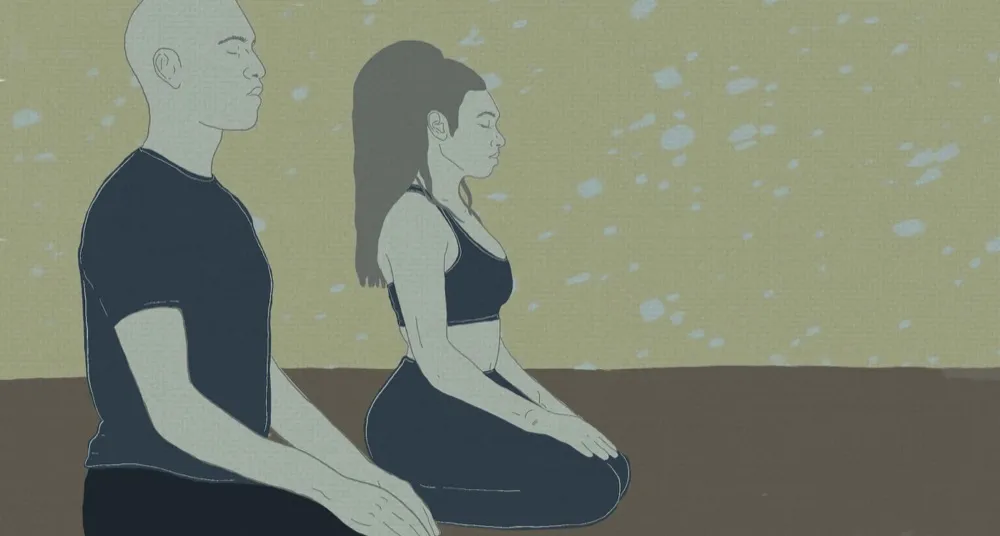
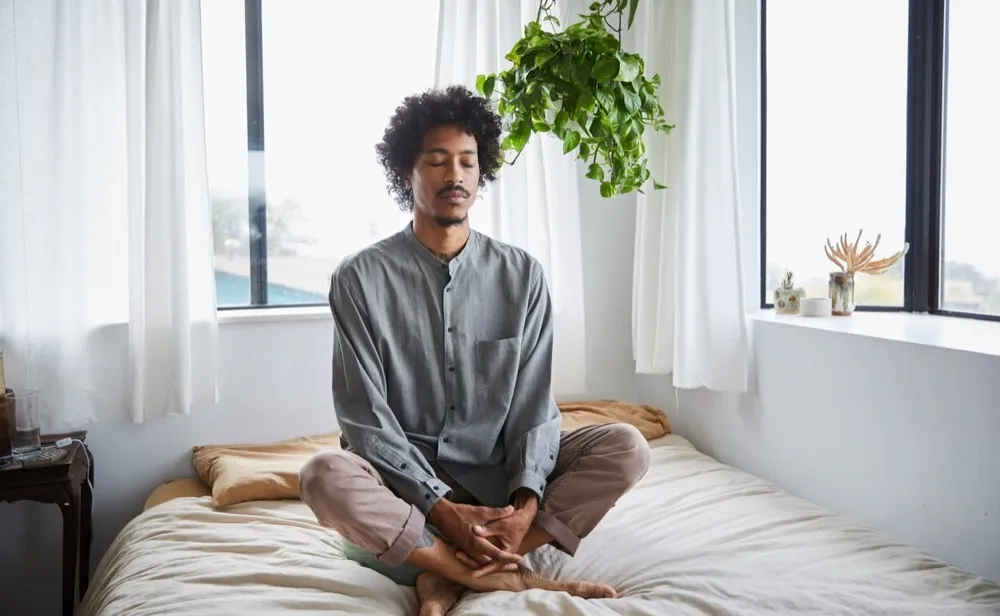
5. Practice Meditation
Meditation encourages relaxation and mindfulness, helping individuals become more aware of their thoughts and feelings without judgment. Regular practice has been shown to lower stress hormone levels, reduce anxiety, and improve emotional well-being.
6. Focus on Your Breath
Focusing on your breath serves as an anchor to the present moment. When you pay attention to your breath, it helps you shift your focus away from stressful thoughts, slow your heart rate, reduce muscle tension, and activate the body's relaxation response.
7. Exercise
Physical activity prompts the release of endorphins, the body's natural mood lifters. Regular exercise reduces stress hormones, promotes better sleep, and enhances physical and mental resilience. Activities you enjoy, like a brisk walk, yoga, or a gym workout, provide an outlet for releasing pent-up tension.
8. Spend Time Outdoors
Nature offers a peaceful environment that can soothe the mind. The fresh air, natural scenery, and exposure to sunlight promote relaxation and mental clarity. Outdoor activities like walking, hiking, or sitting in a park provide a healthy distraction and help improve mood.
9. Take a Break From Technology
Constant connectivity can lead to information overload, disrupted sleep, and increased anxiety. Disconnecting from technology, even for a short time, allows for a mental reset and makes space for more meaningful human connections.
10. Talk It Out
Therapy is a valuable resource for reducing stress. It provides a safe and supportive space to explore thoughts, emotions, and stressors. Therapists offer practical coping strategies tailored to your needs, and the therapeutic relationship itself fosters a sense of validation and support.
Holistic and Evidence-Based Approaches Together
Using both holistic and evidence-based techniques can offer a comprehensive approach to stress management. Holistic techniques often focus on the individual as a whole, while evidence-based strategies are grounded in scientific research with a proven track record. Combining them allows for a personalized, balanced approach. Many holistic approaches also have minimal side effects, and techniques like deep breathing exercises can be used virtually anywhere, at any time.
How Ethos Wellness Can Help You Find Ways to Cope With Stress
At Ethos Wellness, we care about you and your overall well-being. If you or a loved one are struggling with symptoms of stress or other co-occurring conditions, our team is here to help. We will meet with you to determine the best course of treatment for your needs. This may include evidence-based treatment, such as cognitive-behavioral therapy, alongside holistic ways to cope with stress.
Our compassionate team is here to listen and support you every step of the way. While we listed 10 ways to cope with stress above, we can help create a more personalized plan through adult therapy and counseling. Start your path forward today by contacting our care team.