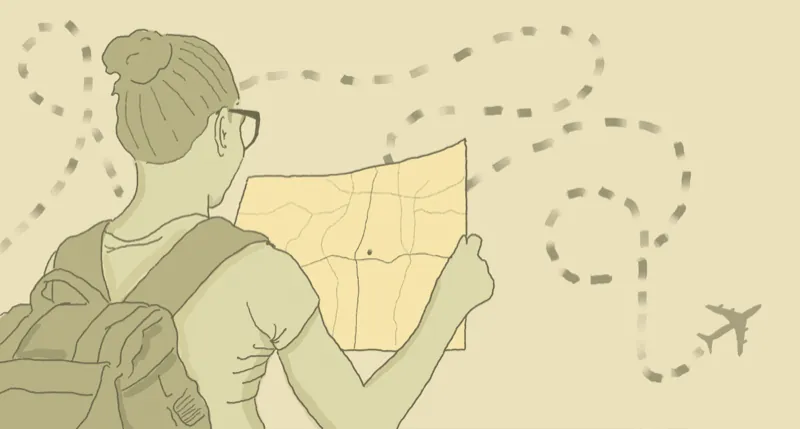
Whether it's visiting family, attending a wedding, booking a cruise or flying to new, exciting lands, travel can be a great opportunity for fun, relaxation and connection. Unfortunately, when we hear talk about upcoming travel plans, it's often filled with stress, fatigue, and lamenting over how in the world we're going to get everything done, tying up loose ends at work, packing for yourself or the entire family, setting up a house or pet-sitter. There's no question that travel is a disruption in our routine, and as such, even a trip for pleasure can bring added anxiety.
As therapists, we often talk about Maslow's Hierarchy of Needs when considering what we and our clients might prioritize in the current moment. Closer to the top of the pyramid are things like staying connected to family and friends or enriching our minds by experiencing new places, people and things, while at the bottom, the foundation of the pyramid, sit our basic needs, like getting enough sleep, staying hydrated, eating three meals a day, and more. These habits sustain us on a daily basis. While traveling, many of us end up neglecting these basic needs in favor of not missing out, accommodating travel companions' schedules or diets, ensuring we're taking advantage of all this new location has to offer and more. However, it's so important to make time for our internal selves even when our external environment changes.
If Possible, Provide Yourself with a "Cushion."
In addition to the stress that can arise before a vacation, that feeling of anxiety that comes before returning home can be likened to the "Sunday scaries," or the idea that we're about to have to return to work the next morning, and we're just not ready. When possible, we can do a lot to ease both pre- and post-travel stress by allowing ourselves an extra day at home both before and after a trip. Not only will we feel better prepared, but we'll have that extra time to settle back into our home and daily habits upon return.
Create a Packing List
This idea seems pretty simple, but the thought here is to be as intentional as possible in making your travel time as comfortable as home time by ensuring that your basic needs are met. If you sleep best with a sound machine or mask, you'll be better rested if you make space in your suitcase for those items rather than hoping your accommodations are conducive to your sleep style. If you have special dietary needs, you'll feel less stressed at mealtimes if you pack and plan for this as well. Remembering to pack your medications is another important piece of staying consistent and feeling comfortable, and the list goes on.
Plan for Self-Care. Set Boundaries When Needed.
Many of us have created a schedule or routine at home that helps us feel generally healthy and stable in our day to day life. Some disruption while traveling is inevitable, but we don't have to completely go off the rails. Think through what you are and aren't willing to change on this trip, and consider how you might accomplish that. Sometimes this may require setting boundaries, letting companions know when you want to head home for adequate rest, or that you need to eat at certain times. Limiting your alcohol use, or for those who are sober, not being around alcohol to avoid cravings or triggers, can also be helpful. Finding time and space for ourselves when traveling with others can help us to enjoy both our alone time and group time even more. If this is a recurring struggle, individual therapy can help you build and hold those boundaries.
Plan to Stay Connected by Reaching Out to Your Support System.
Remember that there are resources both online and in-person all over the world, and that you're not alone. You may find it helpful to connect with trusted friends and family regularly while traveling, and to stay in touch with the people who ground you at home.
Give Mindfulness a Try.
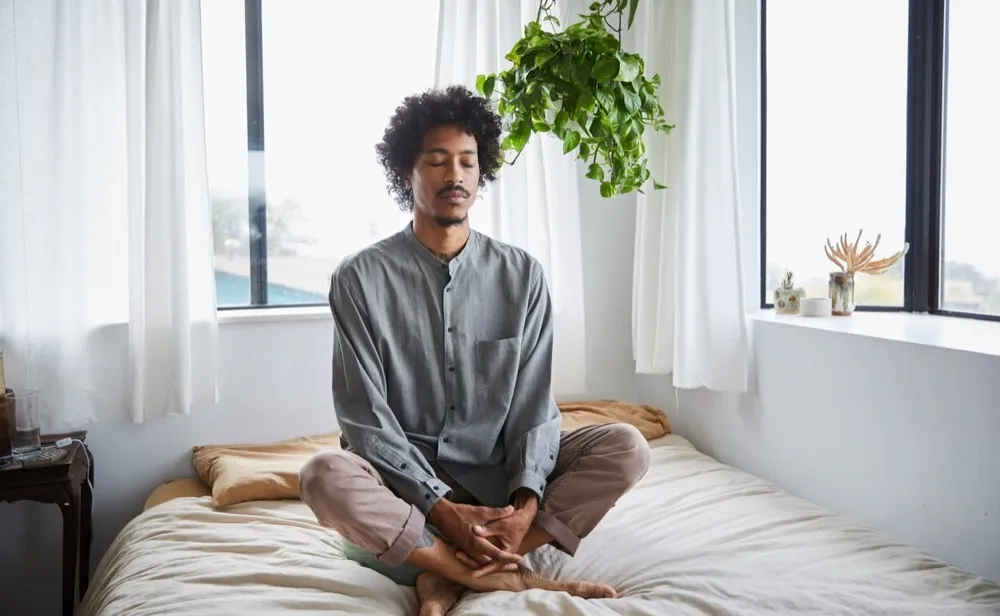
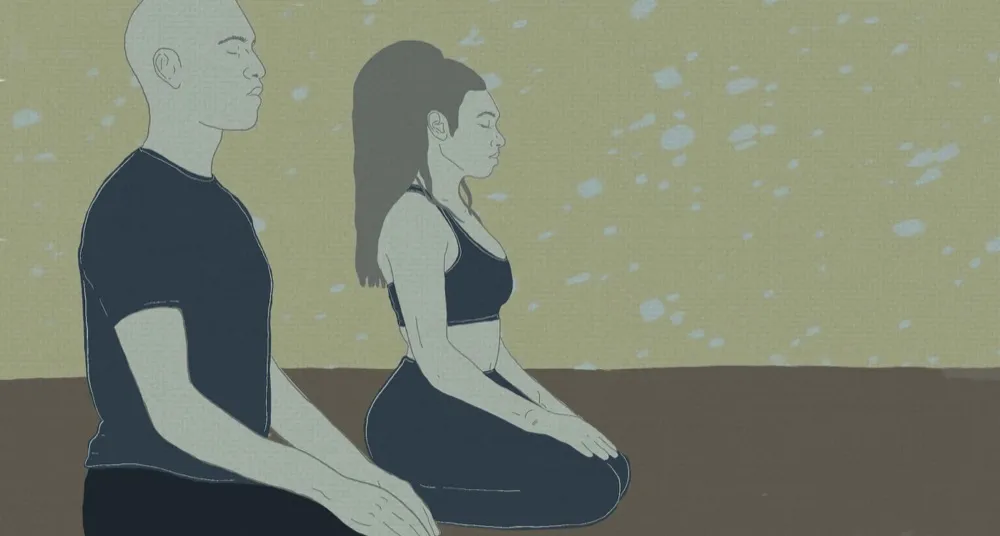
Mini mindfulness practices can help us get out of our head and connect with the present moment, increasing enjoyment, decreasing anxiety and helping to create stronger memories. If you're in a new place or observing something you've never seen before, take the time to tap into all five of your senses and truly pay attention to what's happening around you. This can also lend itself to gratitude practices, remembering to fully appreciate these moments and opportunities. Journaling about the new experience and how it feels is another great way to practice mindfulness and reduce stress. For more on building these habits into everyday life, see our guide to practicing self-care.
If you or a loved one could use professional support in reducing anxiety surrounding travel and other life events, reach out to our care team to find out if the specialized, master's-level clinicians here at Ethos Wellness might be the right fit for you.